Cheap pod refills: what really lowers the bill
Hunting for the lowest number on a single cartridge is the surest way to spend more across a year. On a closed system, the figure on the shelf label tells you very little about what a refill costs in use. Capacity, claimed puff count and the terms you buy under are what decide it. Here is how to read an offer on cheap pod refills before the basket is confirmed, using the rules that actually apply in Britain rather than the ones written for other markets.
Why cheap pod refills never compare on the sticker alone
A prefilled cartridge, whatever the brand, is only comparable to another one when three figures are read together: the volume it holds, the puff count the brand claims, and what you hand over for it. Isolate the last of the three and the comparison stops meaning anything.
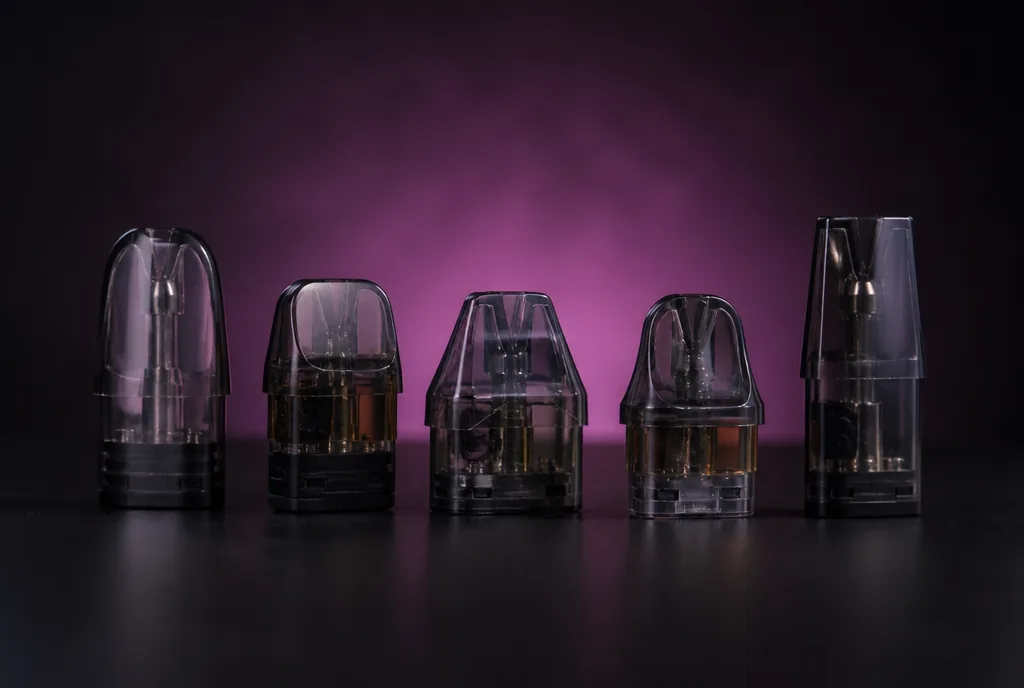
The volume part is largely settled for you here. Under the Tobacco and Related Products Regulations, a pod or tank sold in the United Kingdom holds no more than 2 ml, and a bottle of nicotine e-liquid no more than 10 ml. Two cartridges from different brands therefore sit within a very narrow band of capacity, which pushes the whole comparison onto the other two figures.
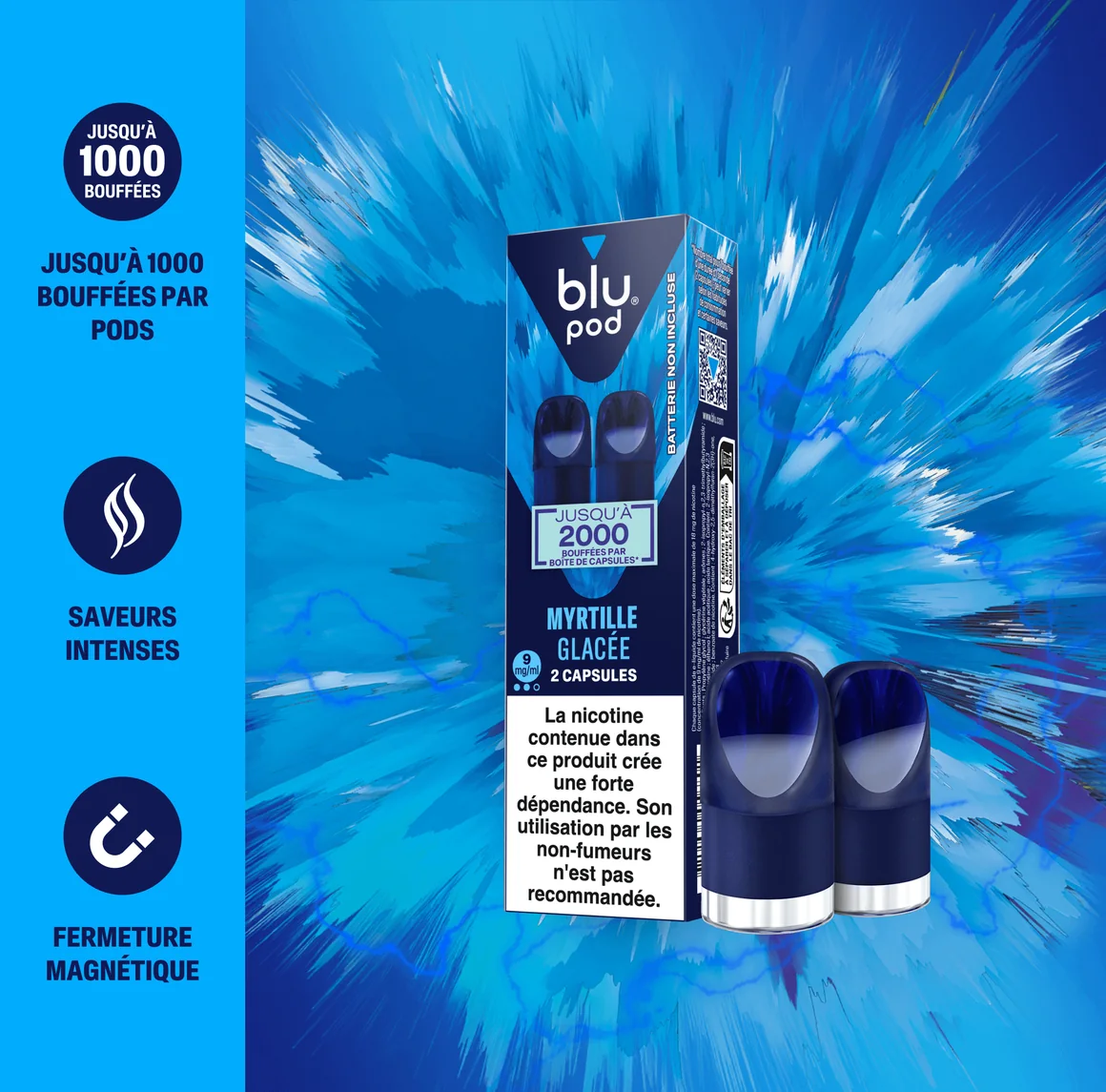
Claimed puff counts are where the spread really opens up. One brand quotes a number for its standard cartridge and a higher one when a battery saving mode is engaged, another quotes a single flat figure. Those numbers are laboratory conditions rather than promises, and your own draw length moves them considerably.
The practical consequence is simple. Two cartridges carrying the same label figure will not last the same number of days, and over a full month that gap compounds into something you can genuinely feel.
Pack size shifts more than switching retailer does
This is the most underrated lever in the whole closed system aisle. Cartridges are almost always sold in twos or threes, and the larger the box, the lower the unit figure falls, mechanically, without any negotiation on your part.
Subscription arrangements push the same lever harder. Several British brands run tiered schemes where the discount steps up as the number of boxes on the order rises, so a regular vaper on a steady flavour ends up in a better bracket than someone buying a single pack whenever they run dry.
Set against that, the promotional flash sale at one shop rarely wins. A one off reduction applies once. A bracket applies every single month, and after three or four cycles the arithmetic is no longer close.
The catch is commitment. A tiered scheme rewards you for knowing your own consumption, which is exactly why the monthly figure described at the end of this article is worth calculating once and keeping.
What the disposables ban did to the refill aisle
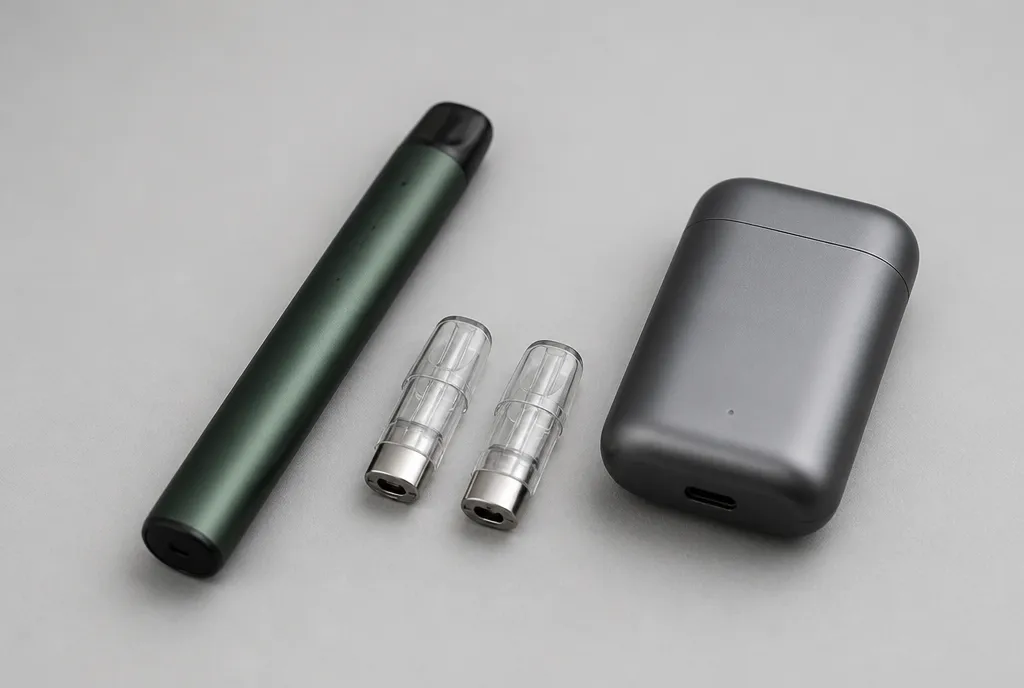
Britain has an angle here that most European markets do not. Since 1 June 2025, single use vapes have been off the shelves: anything legally on sale must be rechargeable and refillable, either with e-liquid or with a new prefilled pod.
The effect on the aisle was immediate. Prefilled pod kits absorbed a large share of the demand that used to go to disposables, and the range of cartridges stocked by mainstream British retailers widened accordingly. More brands means more genuine competition on the refill itself.
It also means more clutter. Kits that were designed abroad as disposables have reappeared as pod systems with a detachable cartridge, and their refill catalogue is sometimes thinner than the packaging suggests. A device is only worth buying if the pods for it are stocked in more than one place.
That is the quiet test to apply before committing to a system. Availability, not the launch offer, is what keeps cheap pod refills cheap eighteen months later.
The hidden cost line on an open system
Comparing a closed kit to a refillable one on the price per millilitre of liquid alone gets the answer wrong, because the two formats are not buying the same things.
On an open system the 10 ml bottle looks unbeatable per millilitre, but replacement coils have to be added on top, and their lifespan depends on the liquid you run and the wattage you apply. Sweetened liquids in particular shorten it noticeably.
On a closed system the coil is built into every cartridge. That is dearer per millilitre and rigorously free of any separate consumable, with a fresh heating element at every changeover rather than a gradually tiring one.
Neither answer is universally cheaper. Which one wins depends on how much you get through, and our comparison of open vs closed pod systems works the two columns through side by side.
The false bargains that undo cheap pod refills
Three configurations come round again and again, and they almost always cost more than they save.
The first is the discounted bundle on a general marketplace with no traceable provenance. A cartridge legally sold in Britain holds no more than 2 ml and no more than 20 mg/ml of nicotine, and it must be notified to the regulator before it reaches a shelf. That is checked before the order, not after it arrives.
The second is the clearance run on a flavour that is being withdrawn. It reads well until the day the flavour disappears from every catalogue and the device you bought around it has nothing left to feed it.
The third is buying across ranges from the same brand. Manufacturers frequently run two cartridge formats side by side that look almost identical and do not interchange at all. A box bought for the wrong device is simply money gone, and our beginner guide to choosing a vape pod sets out how to check that before ordering.
Working out your own monthly figure once
The method fits in one line: cartridges used per month, multiplied by what you genuinely paid per cartridge, delivery included and any subscription discount deducted. That number, and only that number, lets you compare two supply routes honestly.
Give it a fortnight of honest counting rather than an estimate. Most people are surprised in one direction or the other, and the surprise is the useful part, because it tells you which bracket of a tiered scheme you actually belong in.
Once the figure is written down, restocking becomes close to automatic. You buy in the size that matches your real consumption, at the interval that matches it, and you stop reacting to whatever is promoted that week.
Frequently asked questions
Can I refill a closed cartridge myself to save money?
Manufacturers do not design them for it and the results are unpredictable. Sealed cartridges are built to be replaced once empty, and an improvised refill commonly leads to leaking or poor wicking. If you want to refill freely, an open system is the right starting point.
Are prefilled pods still legal in the UK after the disposables ban?
Yes. The ban covers single use devices that cannot be recharged or refilled. A rechargeable battery paired with replaceable prefilled cartridges remains fully within the rules, which is precisely why that format expanded so quickly after June 2025.
Does a bigger pack always work out cheaper per cartridge?
Almost always on the unit figure, but only if you finish it. A large box of a flavour you tire of after a week is not a saving. Buy in bulk on a flavour you have already run for a month or more.
Why do two cartridges with the same puff claim run out at different rates?
Puff counts are measured under fixed conditions that no one reproduces at home. Draw length, how often you chain, and the power the device applies all move the real figure, sometimes by a third or more in either direction.
Is delivery worth factoring into the comparison?
Yes, and it often reverses a ranking. A shop with a slightly higher unit figure and a free delivery threshold you clear every month frequently beats a cheaper listing that adds carriage to every order.
Keeping cheap pod refills genuinely cheap
The habit worth building is narrow. Read capacity, claimed autonomy and cost as one block rather than three, buy at the pack size your real consumption justifies, and check that a device has a refill catalogue stocked in more than one shop before you commit to it.
The British context does part of the work for you. With a 2 ml ceiling on every pod and a disposables ban that pushed the whole market towards reusable hardware, the differences between cartridges have narrowed to the ones that matter: how long they genuinely last and how easily you can restock them.
Do that arithmetic once and it does not need repeating. Cheap pod refills stop being a hunt and become a standing order, which frees your attention for the parts of vaping that are actually interesting: the flavours you settle on and the draw you like.
Editorial content for adult readers only. Vaping products usually contain nicotine, a substance that causes addiction. Not for sale to under-18s in the United Kingdom. This article is not a buying recommendation.