Open vs closed pod: the comparison that decides
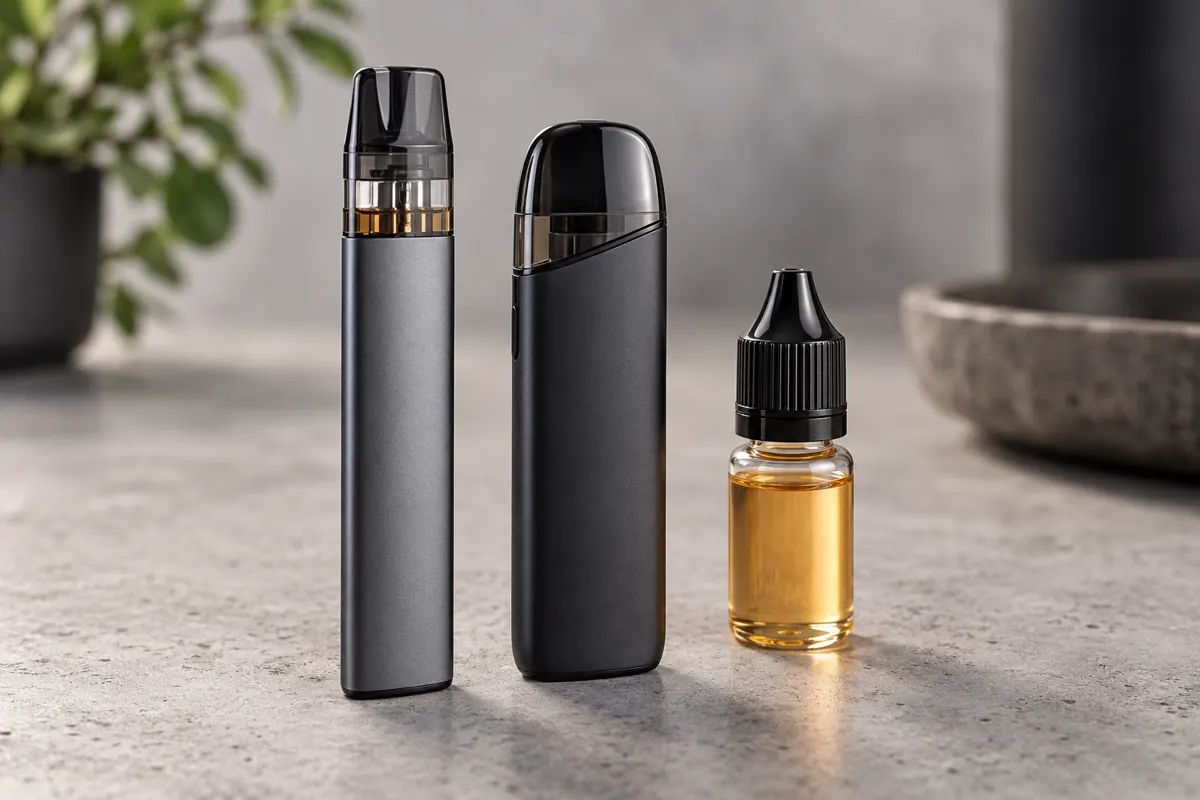
Two devices of identical size, two opposing philosophies. The open vs closed pod question comes up at every first purchase, and the answer you get across a counter often depends on what is in stock that week. Yet the two formats do not address the same vaper or the same budget. One sells zero effort, the other sells freedom and economy. We compare them on four concrete criteria: ease of use, running cost, flavour choice and upkeep.
Open vs closed pod: the short answer
A closed system suits anyone who wants to vape without ever handling anything, accepting a higher figure on every cartridge. An open system suits anyone willing to do a little maintenance in return for a lower running cost and an unlimited flavour list.
Put simply, the closed format buys convenience and the open format buys independence. For occasional, unfussy use, closed is enough. For daily use sustained over months, an open system becomes the more rational choice on both budget and personalisation.
Neither answer is wrong in the abstract. What decides it is how often you reach for the device and how much you care about changing what goes in it.
Two systems, two logics
Before any verdict, it helps to see what genuinely separates these families beyond the shelf label.
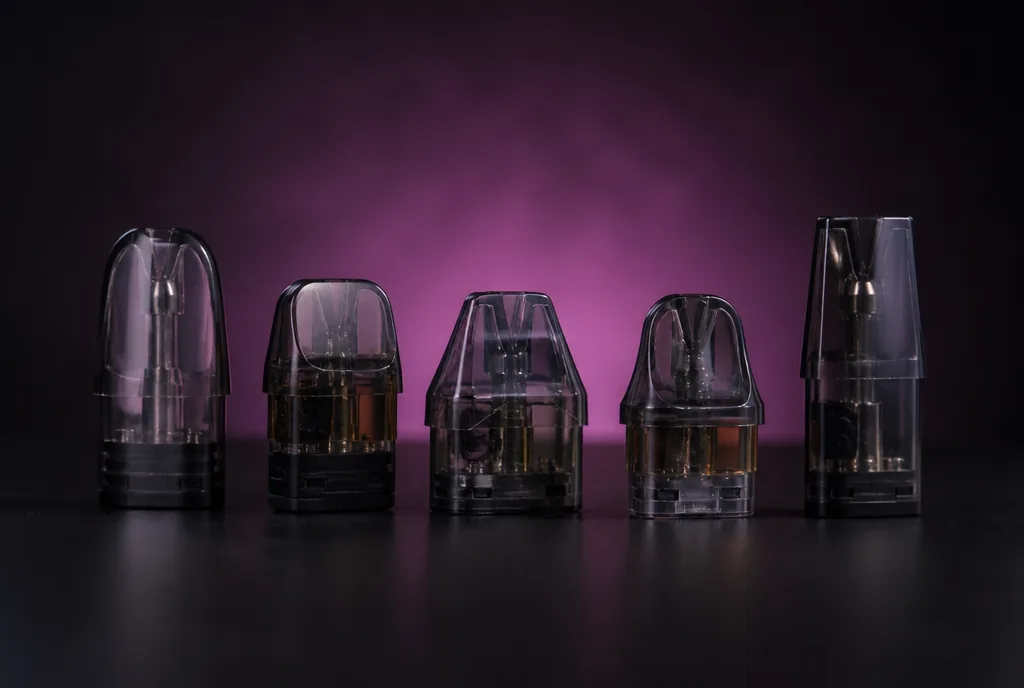
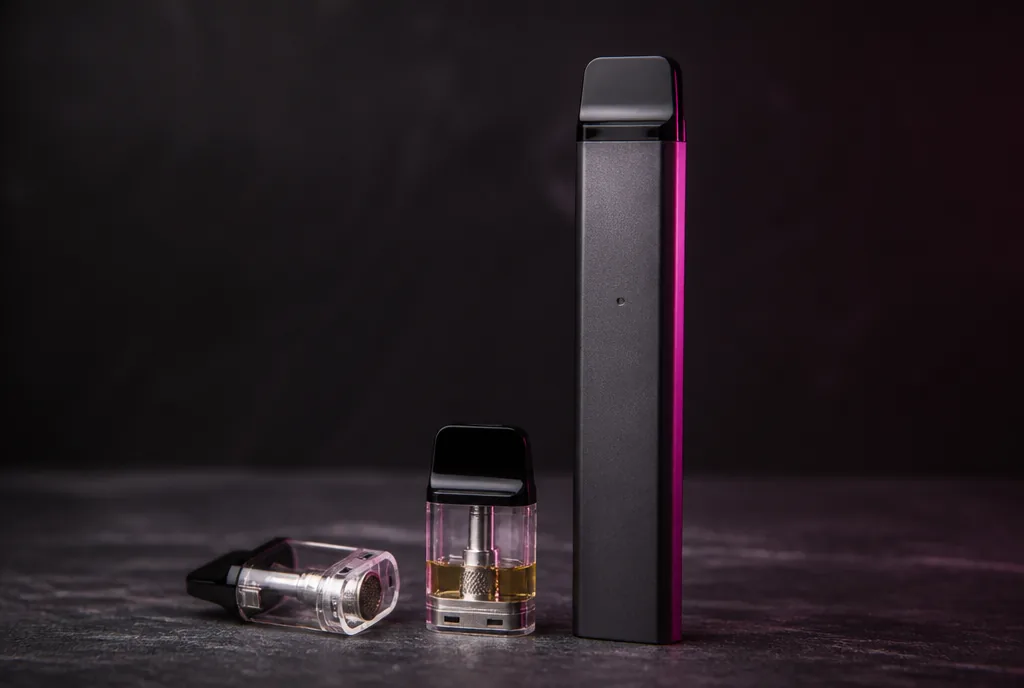
A closed system runs on sealed prefilled cartridges: the liquid and the coil form one disposable block that is replaced whole once empty. No filling, no adjustment, nothing to unscrew.
An open system gives you a small tank you fill yourself with any bottled e-liquid, and a replaceable coil you change on its own when it tires. That design difference explains everything else: the closed format simplifies, the open format hands you responsibility.
Getting this decision right early saves a lot of wasted hardware, which is why it sits near the front of our beginner guide to choosing a vape pod.
The 2 ml ceiling levels one column entirely
Here is the British specificity that reshapes the whole comparison. Under the Tobacco and Related Products Regulations, any refillable pod or tank sold in the United Kingdom is capped at 2 ml, and nicotine e-liquid is capped at 10 ml per bottle and 20 mg/ml in strength.
That cap applies to both families equally. A closed cartridge holds up to 2 ml, and so does the tank on a refillable device, which removes capacity from the list of things that separate them.
It also means one specific warning is worth carrying into any purchase. A listing advertising a 3 ml or 5 ml refillable pod is describing a product built for another market, and it should not be used as a comparison point for anything sold legally here.
The consequence for the open vs closed pod debate is that the argument narrows to what happens after the tank is empty: whether you throw the whole thing away or refill it.
What the disposables ban did to both sides
Since 1 June 2025 single use vapes have been off British shelves, and the two formats absorbed that demand in different ways.
Closed systems took the larger share of it in the short term, because a rechargeable battery with a sealed prefilled cartridge is the nearest thing to the old habit, and it requires no new skill from the buyer.
Open systems gained ground more slowly but more durably, particularly among people who worked out their monthly spend after a few months and started looking at bottles rather than cartridges.
The lasting effect is on choice. Both aisles are far deeper than they were before the ban, which means the honest answer to the format question is less about availability now and more about temperament.
Open vs closed pod, criterion by criterion
To settle it, the two systems need lining up against the same observation points. The table below summarises what each format genuinely delivers day to day.
| Criterion | Closed pod | Open pod |
|---|---|---|
| Getting started | Immediate, nothing to set | Simple, slight learning curve |
| Running cost | Higher, one cartridge at a time | Lower, liquid plus a coil |
| Flavour choice | Limited to the brand’s range | Unlimited, any bottle |
| Upkeep | None | Refilling and coil changes |
| Personalisation | Low | High, liquid, strength, coil |
| Waste | Whole cartridge discarded | Coil only, tank retained |
| Capacity | Up to 2 ml, capped by law | Up to 2 ml, capped by law |
The table brings out a point rarely made across a counter: the closed format concentrates its advantages at the moment of starting, the open format across the length of use.
Running cost over several weeks
The figure on the device tells you nothing about what it costs to live with. The gap opens over a month or two of real use.
A closed system consumes prefilled cartridges whose cumulative total climbs quickly for a regular vaper, because every replacement includes a fresh coil whether or not the old one was worn out.
An open system combines a bottle of e-liquid, markedly better value per millilitre, with a coil replaced roughly every one to two weeks. Over time the open route comes out noticeably lower even counting the coils.
The counterweight is an upfront outlay on accessories, spare coils and a bottle or two, plus the act of filling. For sporadic use that gap stays marginal. For daily use it becomes the decisive argument, and the arithmetic is set out in our piece on cheap pod refills.
Flavour, upkeep and the verdict by profile
Beyond budget, aromatic freedom separates the two systems sharply, and this is where an open system pulls clearly ahead.
A closed device confines you to the manufacturer’s catalogue, with a necessarily restricted set of flavours and strengths. An open device opens the entire British e-liquid market: fruit, menthol, tobacco profiles, every strength up to the legal cap, nicotine salts included.
Upkeep, the counterargument, is modest in practice. Filling the tank, replacing the coil when flavour drops, wiping the odd trace of liquid. None of it demands skill, and after a few repetitions it takes under a minute.
Our reading by profile is straightforward. Someone starting out and wary of anything technical gets the gentlest runway from a closed device. Someone vaping daily, or anyone who likes changing flavour often, is better served by an open one and will notice within a month.
Frequently asked questions
Can I refill a closed cartridge myself?
Manufacturers do not design for it and the results are unpredictable. Sealed cartridges are built to be discarded once empty, and an improvised refill regularly produces leaks or poor wicking. To refill freely, start with an open system.
Is an open pod harder to look after?
The upkeep is light: fill the tank, change the coil when flavour drops, wipe away spills. Nothing requiring particular know how. Within a few uses the gestures become automatic and take less than a minute.
Does a closed system produce more waste?
In use, yes. Every sealed cartridge is thrown away whole, coil included, whereas an open device replaces only the coil and keeps its tank. Across several weeks of regular use the difference in volume is substantial.
Can the same open device last for years?
The battery and tank last as long as they work correctly, with only the coil counted as a consumable. A well maintained device stays in service a long time, which reinforces its economic advantage.
Does the draw differ between the two formats?
Both can offer a tight draw, but an open device usually lets you adjust it through airflow and coil choice. A closed one imposes whatever the manufacturer settled on. That extra latitude is one more point in favour of the open format for anyone particular about it.
Open vs closed pod: our final recommendation
The open vs closed pod choice does not pit a good system against a bad one. It sets two answers to two different expectations, and the British rules have quietly removed the one variable, capacity, that used to muddy the comparison.
Our advice stays the same. Try a closed device if simplicity reassures you and you are not sure yet, then move to an open one once the habit settles, because that is the format that rewards regular use with a lower running cost and total freedom over flavour.
That progression, from the simplest option to the most flexible, is the path most people follow as their practice sharpens. Approached that way, the open vs closed pod question stops being a purchase dilemma and becomes a sequence.
Editorial content for adult readers only. Vaping products usually contain nicotine, a substance that causes addiction. Not for sale to under-18s in the United Kingdom. This article is not a buying recommendation.