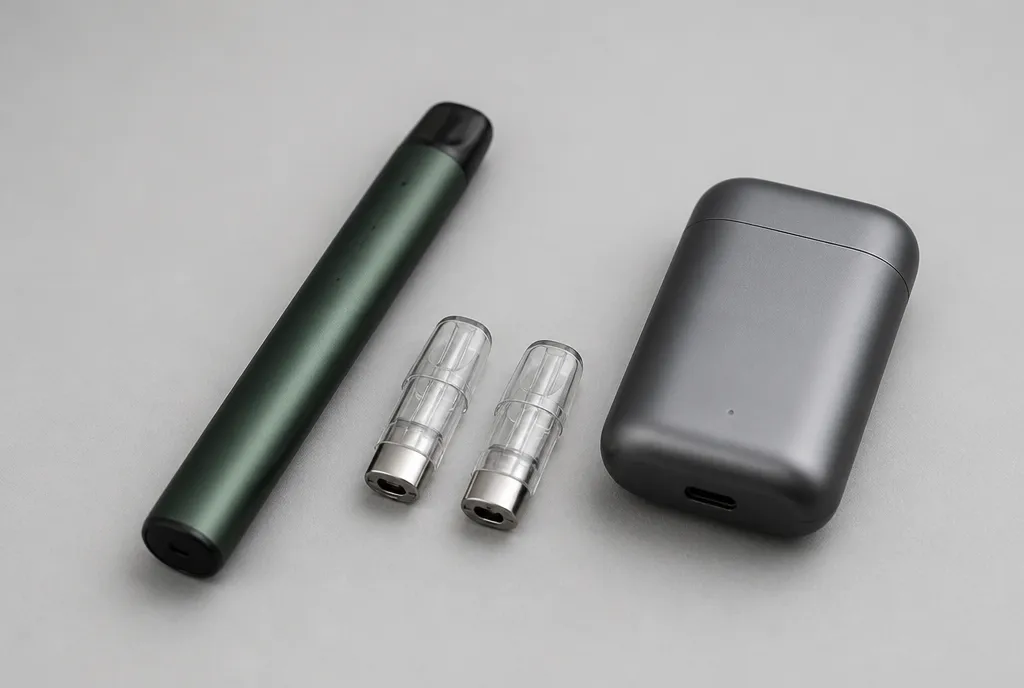
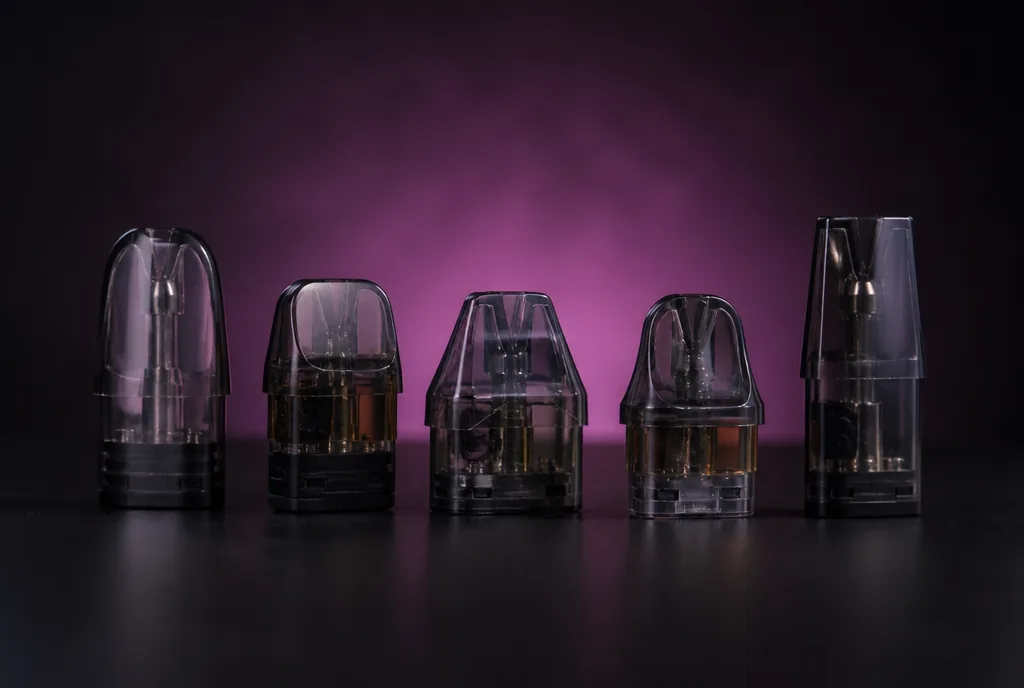
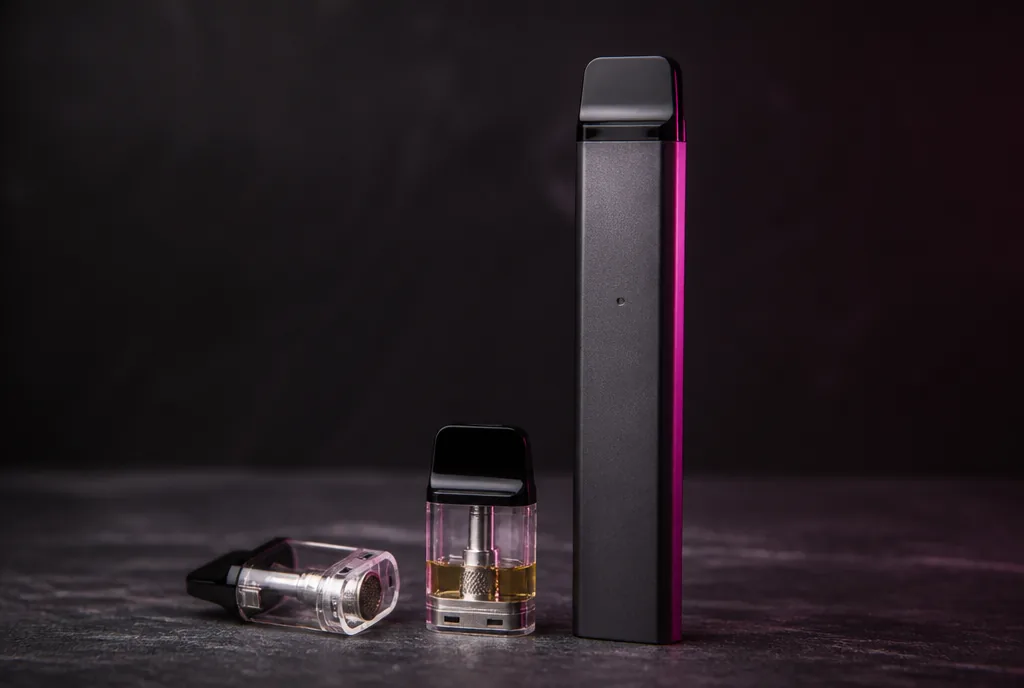
MTL vaping in a pod: how it really works
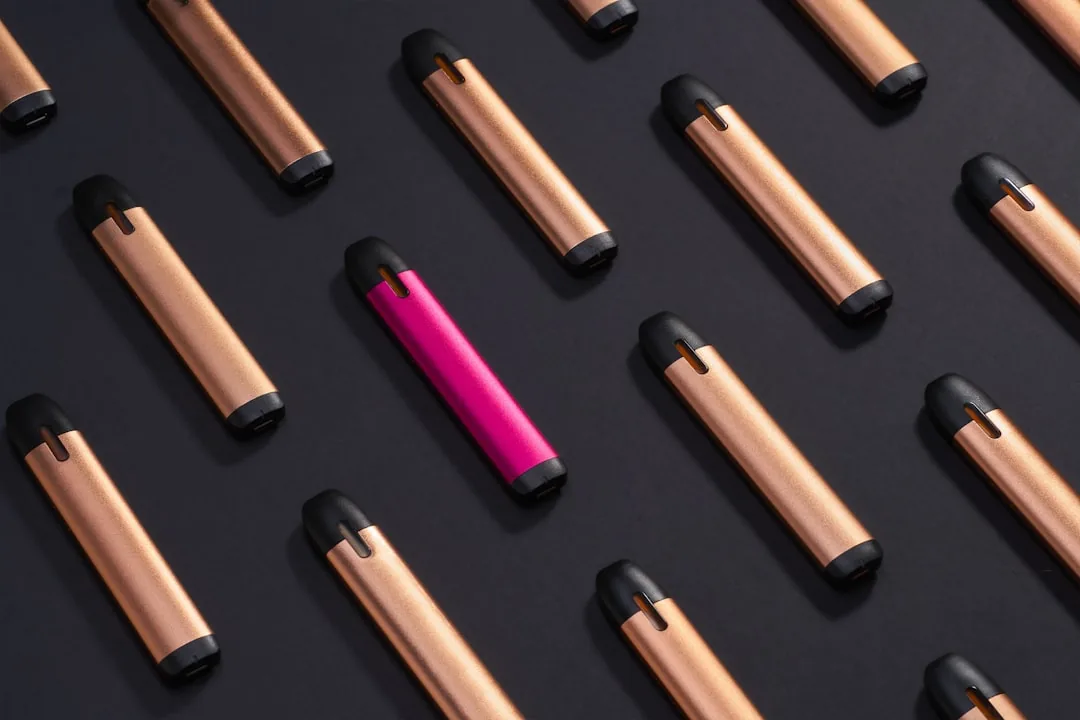
Every British shop guide tells you a pod suits a newcomer because the draw is tight. Behind that shorthand sits a precise idea that is quoted far more often than it is explained: MTL vaping. Three letters that decide the sensation in the mouth, how much liquid you get through, and whether a small device is comfortable across a whole day. Understanding the mechanism changes how you set a device up and how you buy coils for it.
What MTL vaping actually means
MTL stands for mouth to lung, and it describes a two stage inhale: vapour is drawn into the mouth, held for a moment, then taken down into the lungs. It is the two step action most people recognise from a cigarette, which is why the term travelled so quickly.
On a pod, the mode rests on two things working together: a coil of relatively high resistance, generally above 1 ohm, and an air path deliberately kept narrow. That combination produces a tight draw, restrained vapour and moderate liquid consumption.
The opposite mode, direct to lung, sends vapour straight down with a wide airflow and a much larger cloud. The two are not settings on a scale so much as two different architectures.
MTL is therefore not a minor adjustment. It is a whole way of building a setup, and on a 2 ml British pod it happens to be the mode the format was designed around.
Why the format and the 2 ml cap suit each other
This is where the British context stops being a detail. Every refillable pod sold legally in the United Kingdom is capped at 2 ml, and every bottle of nicotine e-liquid at 10 ml and 20 mg/ml.
A tight draw uses noticeably less liquid per puff than a wide open one, which is exactly what a 2 ml tank needs. Run the same device direct to lung and you would be refilling several times a day.
The nicotine cap points the same way. With strength limited to 20 mg/ml, a mode that carries a small volume of vapour efficiently makes better use of that ceiling than one that dilutes it across large lungfuls.
Put together, the legal frame and the physics of a tight draw explain why the British pod aisle is so heavily weighted towards MTL hardware, far more than markets with larger tanks.
The role of the coil
Everything starts with the heating element. Its value in ohms directly conditions the style of draw you end up with, and it is the one component you cannot argue with.
A coil above 1 ohm heats moderately and passes relatively little current, which limits vapour volume and naturally tightens the draw. That is the textbook configuration for this mode.
Below 1 ohm the heat rises, vapour becomes dense and the draw opens up: you have left mouth to lung territory whether you intended to or not. Choosing a coil marked between 1 and 1.2 ohm is the first condition of a workable tight draw.
Fitting a sub ohm coil into a device built for a narrow airflow breaks the balance entirely and drowns the sensation you were after, which is the single most common setup error we see reported.
Airflow, the other half of the equation
The coil does not do it alone. The air setting completes the arrangement and is what lets two people describe the same device in opposite terms.
Airflow is simply the opening through which air enters as you draw. Many pods built for this mode carry a ring or a slider to adjust it, and some tighter models fix it deliberately.
Closing that inlet partially tightens the draw and pushes the sensation towards something quite restrictive. Opening it softens the draw towards a semi restricted feel without ever becoming a full direct to lung experience.
It is the most immediate lever you have for personalising a setup without buying anything, which is why it is worth spending a few days moving it rather than settling on the first position that works.
Why MTL vaping pairs with nicotine salts
The liquid is not neutral in this equation. A tight format calls for particular chemistry, and the pairing was not an accident of fashion.
Nicotine salts took over small devices because they deliver nicotine with a smoother throat sensation than freebase at an equivalent strength. A restricted draw carries little vapour, so the liquid has to do more of the work.
The PG/VG ratio matters just as much. A liquid richer in propylene glycol, typically the 50/50 blends that fill the British nicotine salt shelf, wicks properly into a tight draw coil, where a thick high VG liquid built for sub ohm use would not.
That technical complementarity, a high resistance coil plus a liquid designed for it, is what makes MTL vaping on a pod so coherent for discreet, low volume use. Neither half works well without the other, and our beginner guide to choosing a vape pod sets out how to buy them as a pair.
The mistakes that spoil a tight draw
Set up properly this mode is comfortable. Configured badly it disappoints, and the causes are almost always the same three.
The first is pushing power beyond the range printed on the coil. The cotton dries out faster than liquid can replace it and a harsh taste appears within a few puffs, at which point the coil is finished.
The second is opening the airflow fully in search of more vapour, which simply converts a tight draw into a mediocre wide one. If you want more vapour, change the coil rather than the ring.
The third, subtler, concerns the liquid. A very glycerine heavy bottle wicks poorly into a narrow coil and causes dry hits, and it is also a frequent cause of a pod leaking once the surplus finds a way out.
Frequently asked questions
Are MTL and restricted inhale the same thing?
Effectively yes. Mouth to lung, restricted inhale and tight draw all describe the same two stage action, with vapour passing through the mouth before the lungs. British retailers use the three terms more or less interchangeably.
Which coil resistance should I aim for?
Something above 1 ohm, most often between 1 and 1.2 ohm. That band limits vapour volume and tightens the draw. Below 1 ohm you move towards a more open style that no airflow setting will fully bring back.
Can any pod do a tight draw?
No. Some devices are built for direct to lung use, with low resistance coils and a wide air path. A device intended for this mode offers high resistance coils and an adjustable inlet. Check which coils a kit accepts before buying it.
Does a tight draw use less liquid?
Yes, appreciably. Less vapour per puff means less liquid consumed at a comparable frequency, which matters a great deal on a 2 ml tank and is part of why the format is so common here.
Do I need to set the wattage myself?
Most small devices in this category are draw activated or preset within the coil’s range. Where a setting exists, staying inside the range printed on the coil is enough. Going above it does not improve the draw and shortens coil life.
MTL vaping is a system, not a setting
MTL vaping in a pod is not one option among several. It is an arrangement in which the coil, the airflow and the liquid answer one another, and changing one without the others produces the disappointing results people blame on hardware.
A high resistance coil, a narrowed air inlet and a liquid built for it, usually a nicotine salt at 50/50, form a coherent trio that delivers a restrained, discreet result on a small device. The British 2 ml and 20 mg/ml ceilings happen to reward exactly that combination.
Grasping that mechanism means you stop putting up with a device and start setting it deliberately. Read as a system rather than a preference, MTL vaping is the most predictable way to make a small British pod behave the same on day thirty as it did on day one.
Editorial content for adult readers only. Vaping products usually contain nicotine, a substance that causes addiction. Not for sale to under-18s in the United Kingdom. This article is not a buying recommendation.