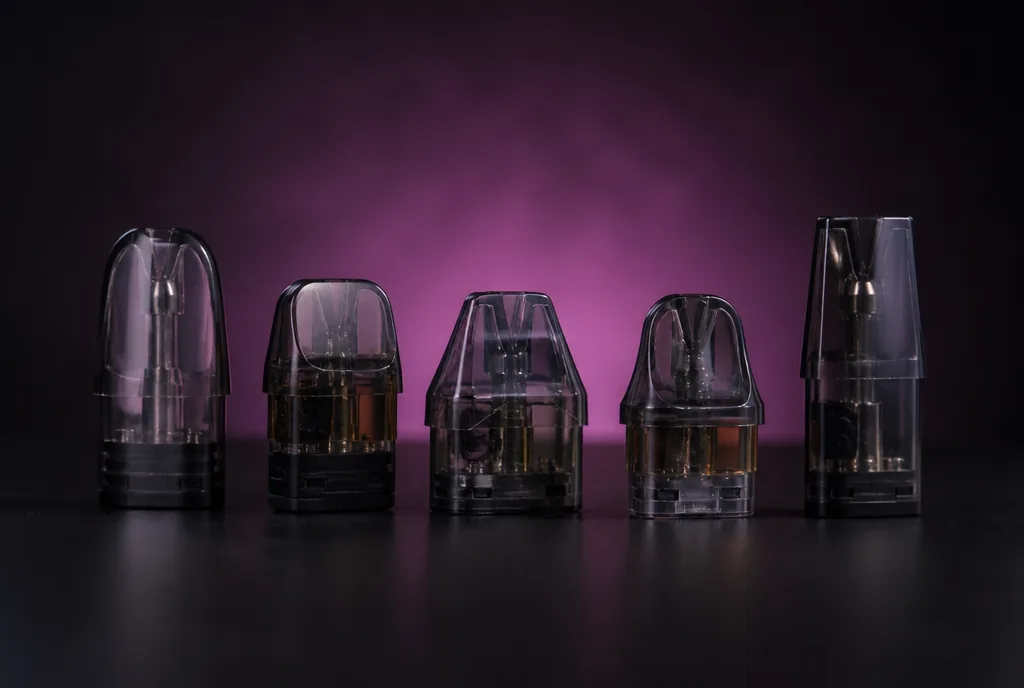
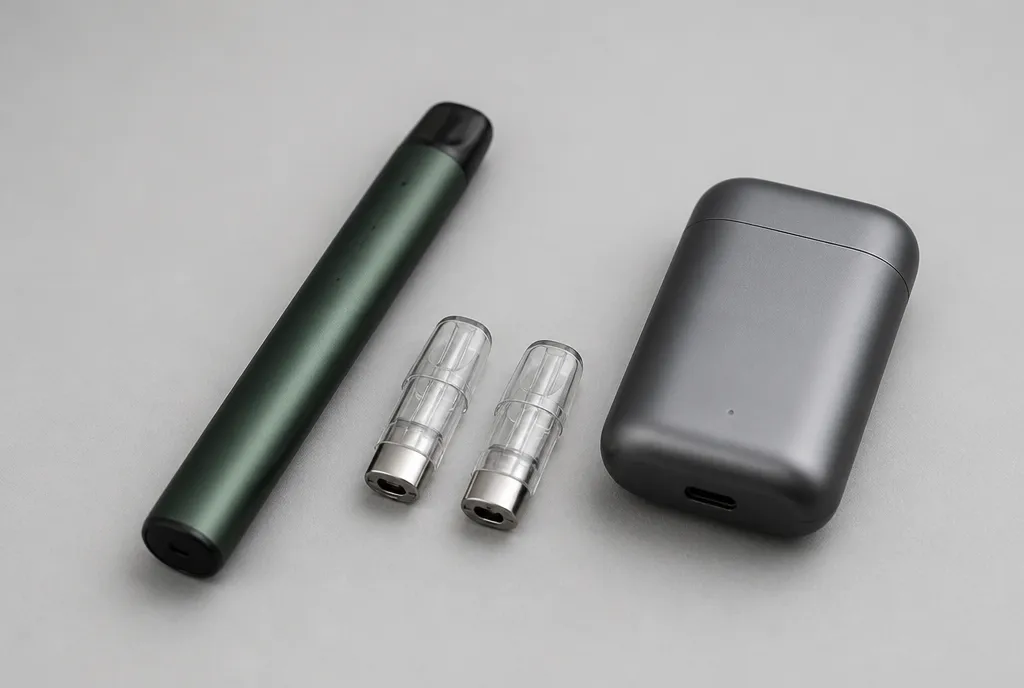
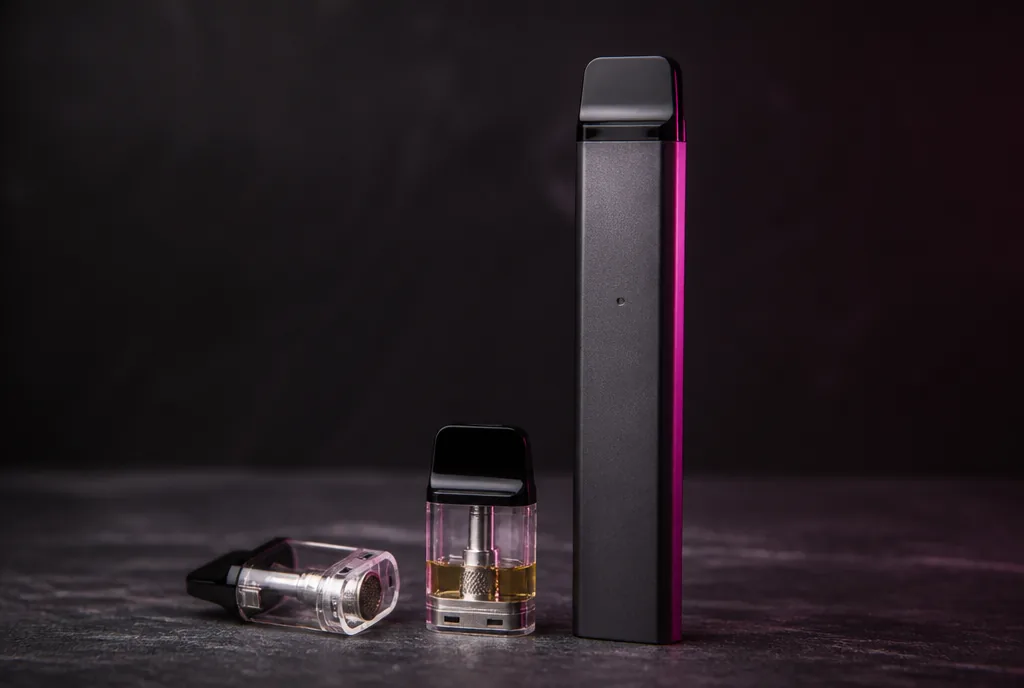
Voopoo pods: our bench test of the PnP range
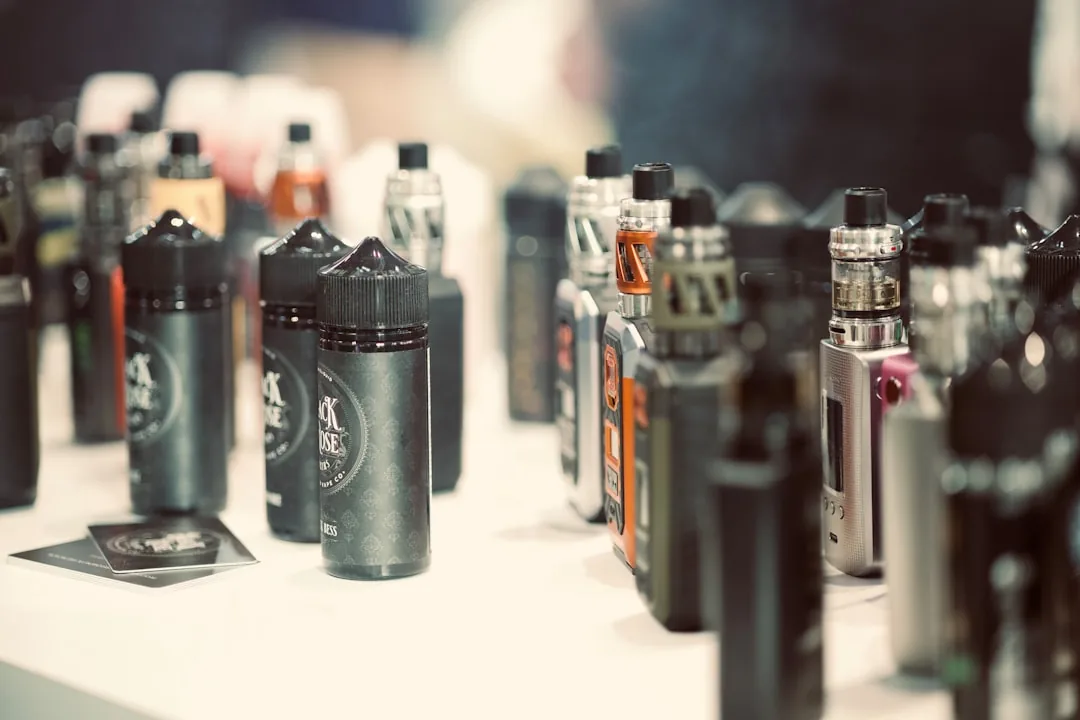
One brand comes up the moment anyone mentions a versatile refillable device in Britain: Voopoo. Its Drag and Vinci lines set a standard, to the point that their PnP coils turn up across half the range. But between references that look alike, ohm values sitting close together and wattage ranges printed in tiny type, working out which is which is a genuine chore. We put the main coils used by Voopoo pods on the bench to clarify what actually separates each one.
What defines the Voopoo pods ecosystem
The strength of the range rests on one idea: a unified coil platform. PnP coils push in without any thread, on a simple magnetic click, and they move between several of the brand’s families.
The same coil travels from a Drag to a Vinci, and on to the Navi and Argus lines. That cross compatibility is the central asset, because it lets you change vaping style without buying a whole new catalogue of consumables.
Where other manufacturers wall off each device, Voopoo built a range that talks to itself. That is the main reason its hardware is so widely stocked in British shops rather than confined to specialists.
It is also why so many people end up with a drawer of assorted coils. Knowing which value does what is the difference between a useful spares box and a pile of dead stock.
The 2 ml cap and what it changes on the bench
Anyone reading an international specification sheet for these devices will see pod capacities of 4 ml or 5 ml quoted. Those figures do not describe what is sold here.
Under the Tobacco and Related Products Regulations, a refillable pod sold in the United Kingdom holds no more than 2 ml, and manufacturers produce specific versions to match. A British Drag or Vinci pod is a 2 ml part whatever the global marketing says.
That matters for the bench because it changes how long a coil lasts between fills, particularly at the low resistance end. A 0.15 ohm coil drinks liquid quickly, and on a 2 ml tank that means a refill several times a day rather than once.
It also affects how you should read any listing. A shop advertising a larger capacity for the same pod is either quoting the international figure or shipping stock intended for another market, and it is not a comparison point.
The high values, for a tight draw
Coils such as the PnP TR1, rated at 1.2 ohm and listed by British retailers at 10 to 15 W, steer the device firmly towards a restricted draw.
On the bench they stand out for sober consumption and for holding flavour well on nicotine rich liquids, which on this market means the 50/50 nicotine salt bottles that dominate the shelf. They are the sensible entry point for anyone wanting a mouth to lung setup on this platform.
Their other advantage is endurance. Running at low wattage, they last noticeably longer than the sub ohm end of the range, and they are far more forgiving of a rushed priming.
The mechanics of that draw style are worth understanding before choosing between values, and our breakdown of MTL vaping on a pod explains why coil and airflow have to be picked together.
The low values, for dense vapour
At the other end, the PnP VM6 at 0.15 ohm, pushed between 60 and 80 W by every British listing we checked, moves decisively into sub ohm territory: dense vapour, open draw, generous delivery.
The VM1 at 0.3 ohm, typically quoted around 32 to 40 W, offers the compromise most people actually settle on. It gives real volume without the appetite of the VM6 and without demanding a large battery.
Both of these want a more glycerine heavy liquid and a device capable of supplying the wattage asked for. Fitting one to a small pod built for a tight draw unbalances the whole thing and flattens the battery at a startling rate.
There is a British caveat on this end of the range. Since the disposables ban of June 2025 pushed a great many first time buyers into refillable hardware, sub ohm coils are being bought by people who would be better served by the high values, and the resulting complaints about battery life are entirely predictable.
Reading the wattage range on a Voopoo coil
Every PnP coil carries a power range printed on its body. That marking is not decoration: it sets the window inside which the coil works properly.
Our bench rule does not change. Stay inside the printed range and start at its lower bound, then move up only if the flavour asks for it. Below the range the cotton floods, liquid wicks poorly and the vapour turns tepid.
Above it, heat outruns the supply of liquid and wear accelerates, with the acrid taste that announces a coil is finished. The table below places the main references we ran.
| PnP coil | Resistance | Wattage range | Draw |
|---|---|---|---|
| TR1 | 1.2 ohm | 10 to 15 W | Tight, mouth to lung |
| VM1 | 0.3 ohm | 32 to 40 W | Open |
| VM6 | 0.15 ohm | 60 to 80 W | Open, dense |
Those markers show the spread a single coil platform covers, from a restricted draw to a full sub ohm cloud, without changing device.
Compatibility, the real trap with Voopoo pods
The question we are asked most is not about performance but about fit, and it is where the wrong purchase happens most often.
The first trap is the value rather than the format. A VM6 fitted to a small device intended for a tight draw unbalances it, while a TR1 on a large sub ohm kit throttles the result the kit was bought for. Choose by the draw you want, not by what is left in the drawer.
The second trap is more expensive. Voopoo also sells a separate PnP X platform whose coils are physically different and do not fit original PnP pods, a point several British retailers state explicitly on their listings.
If you are moving between the two, read our piece on the Voopoo PnP X platform before ordering anything, because the names are close enough that the mistake is easy and the packets are not returnable once opened.
Frequently asked questions
Do PnP coils work on every Voopoo device?
They are compatible with many of the brand’s families, including Drag, Vinci, Navi and Argus. That interchangeability is the point of the platform. Check that your specific kit takes the PnP series, since some older and some newer references differ.
Which PnP coil should I start with for a tight draw?
A high value, starting with the TR1 at 1.2 ohm. It limits vapour volume, uses little liquid and suits nicotine rich bottles. Staying inside its printed range keeps the result stable.
Why does my new Voopoo coil taste burnt?
Priming was almost certainly skipped. Cotton that is not properly wetted heats dry from the first puff. Put a few drops directly on the cotton, fill the pod, and wait several minutes before drawing.
Can I mix tight draw and sub ohm on the same device?
On a versatile kit that accepts several PnP values, yes: change the coil according to the draw you want. That is precisely the advantage of the system. On a device dedicated to a tight draw, fitting a sub ohm coil unbalances it.
Are these devices suitable for high volume vaping?
Models taking the low values such as the VM6 produce dense vapour. You then need a device with real battery capacity and a glycerine heavy liquid, and you should expect frequent refills on a 2 ml British pod.
What the bench test concludes about Voopoo pods
Voopoo pods owe their standing to an interchangeable coil platform that covers every style, from a restricted draw to a dense sub ohm cloud, without changing device. Our bench confirms that consistency, on two conditions: pick the value that matches the draw you actually want, and respect the printed wattage range.
The British frame adds a third condition that no international review will mention. Every pod here is a 2 ml part, so the low resistance end of the range asks for a refilling routine that plenty of buyers, particularly those who came across after the disposables ban, are not expecting.
Set up with those three points in mind, Voopoo pods integrate without friction into a coherent routine, and it is that logic of a unified platform that we keep checking on every kit that reaches the bench.
Editorial content for adult readers only. Vaping products usually contain nicotine, a substance that causes addiction. Not for sale to under-18s in the United Kingdom. This article is not a buying recommendation.